A practical guide for factories and importers to avoid surprises and ensure efficiency.
Purchasing filler masterbatch is both a technical and commercial decision. Choosing the wrong type can affect production quality, increase waste, or even damage manufacturing equipment.
For this reason, B-PLAST offers you this simple guide to testing filler quality before purchasing, whether you are a manufacturer in Egypt or an importer abroad.
First: Why is it necessary to test the filler beforehand?
- To ensure compatibility with the polymer used (PP or PE).
- To avoid operational problems such as clogging or decomposition during extrusion.
- To determine the effect of the filler on the final product in terms of appearance, stiffness, or printability.
- To estimate the ideal loading ratio without negatively impacting product properties.
🧭 Second: Steps for testing the filler in the factory
✅ 1. Moisture Content Test
- Tool: Moisture Analyzer
- Ideal ratio: Less than 0.2%
- Excess moisture = bubbles, charring, and blockages in molds
✅ 2. Dispersion Test
- A small amount of filler is dissolved in a specific solvent or heat-tested.
- The goal: to ensure the granules are evenly distributed and free of lumps or impurities.
✅ 3. Tensile Strength Test
- Compare the final product with filler and one without filler.
- With a good filler, the pull force or ductility should not be significantly reduced.
✅ 4. Compatibility Test
- Test the filler on a real production line with the type of polymer you’re using.
- Observe the machine’s behavior: Is there excess pressure? Is there buildup?
- Observe the product: Are white spots appearing? Is the gloss significantly reduced?
✅ 5. Density Check
- The density must match the technical data provided by the supplier.
- Any discrepancy may indicate the presence of impurities or impure fillers.
Third: For importers – What to request from the supplier before purchasing
If you are an importer, ask the supplier:
- Certificate of Analysis (COA) for each batch
- A minimum 5 kg actual production sample
- Previous compliance report with other factories in your country (if applicable)
- Technical support for testing the filler on local production lines
At B-PLAST, we provide all this and more before completing any export deal.
Fourth: Important warnings when testing fillers
- Don’t rely solely on price!
- Avoid fillers of unknown origin or without certifications of analysis.
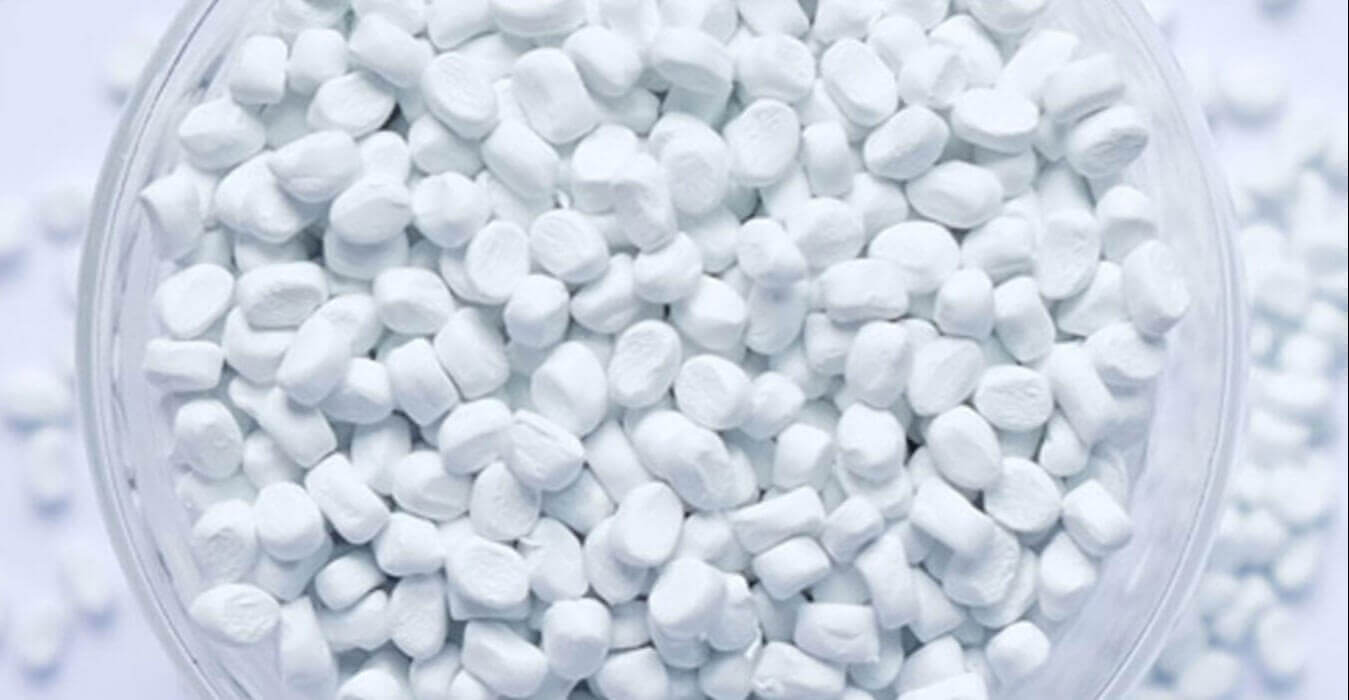
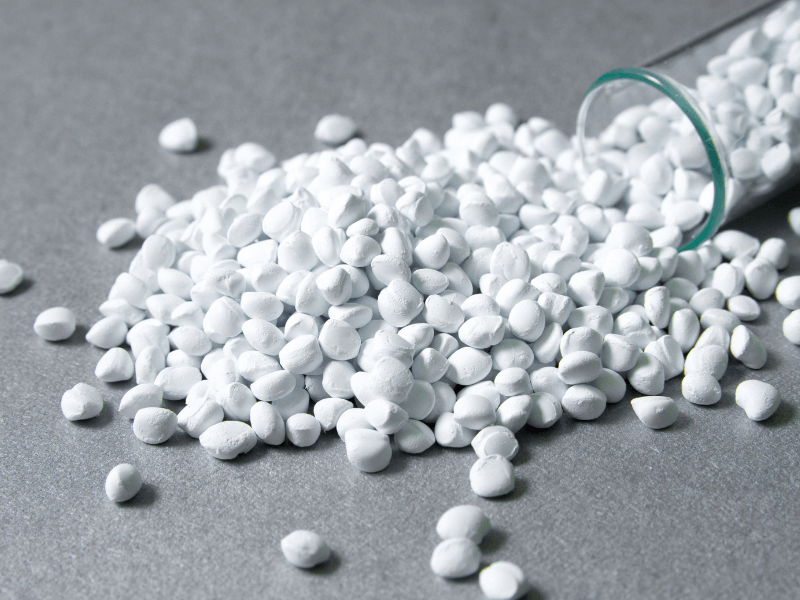
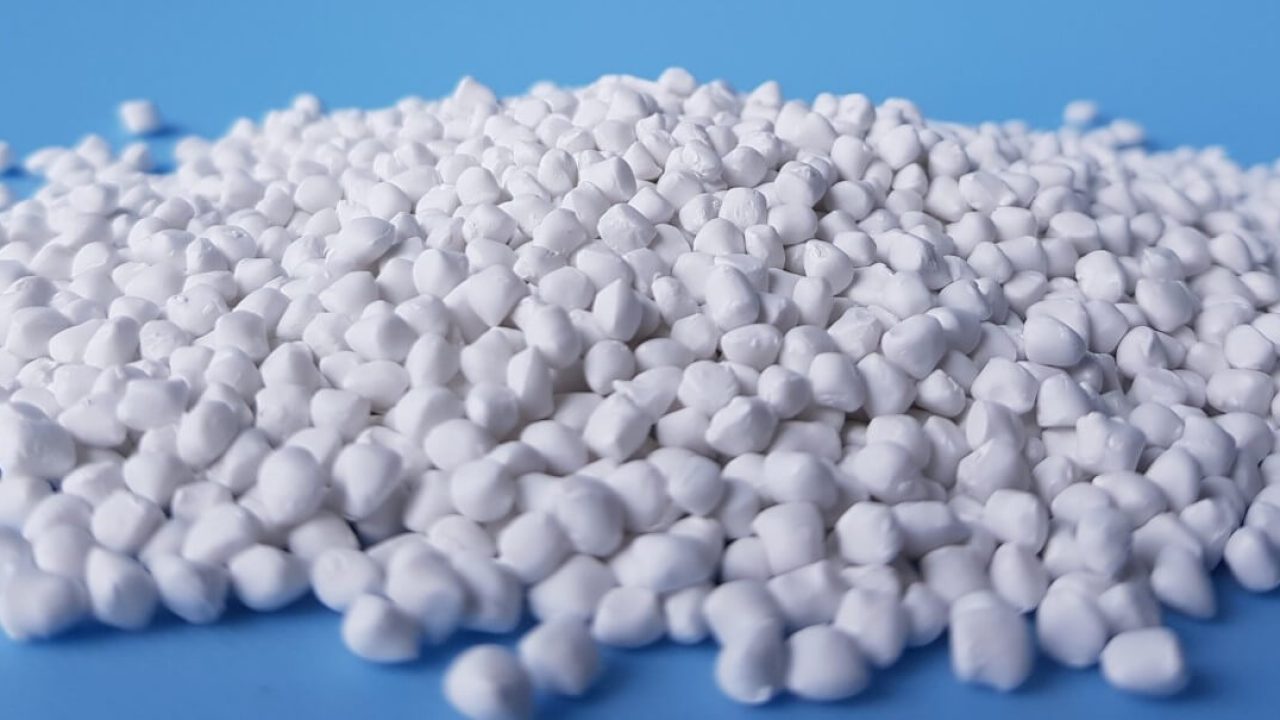
- Don’t judge a filler by the shape of the granules alone—the appearance doesn’t reflect performance.
- Don’t use a higher loading concentration than the product label allows.
Fifth: What does B-PLAST offer you?
- Free samples available for testing before purchase
- In-house testing labs to ensure results
- Technical support to customize the formula to suit your machine
- Complete transparency in composition and chemical analysis
Conclusion:
Testing fillers before purchasing is an essential step to protect your investment and ensure the quality of the final product. By following the steps above, you can make a sound decision based on scientific data, not just marketing promises.
Don’t risk the quality of your plant—try first, then decide.
Contact the B-PLAST team now to request your free sample and schedule a practical test on your production line.